Toast POS can be a good fit for grocery stores that need fast checkout, simple operations, and flexible payment options. It works especially well for small to mid-sized grocery stores or specialty markets. For many independent grocers, Toast offers a practical and easy-to-use solution that keeps daily operations running smoothly.
Why do grocery stores need a strong POS system?
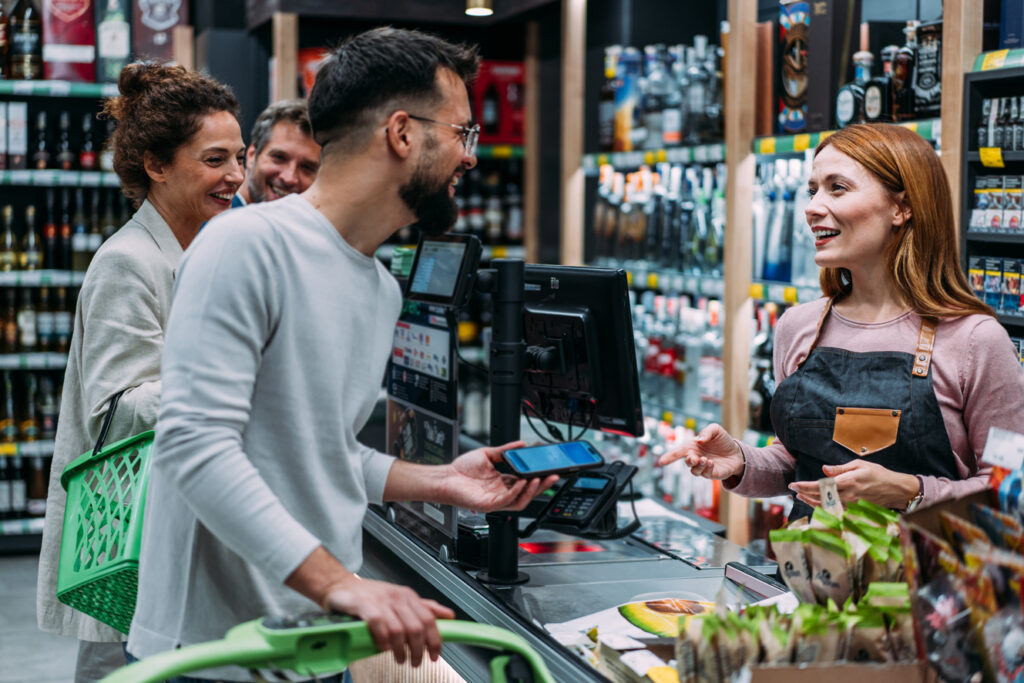
Grocery stores handle a high volume of transactions every day, often with tight margins and steady customer flow. That makes checkout speed and reliability critical.
A POS system directly affects how quickly customers move through the line, how efficiently staff can work, and how smoothly the store operates during peak hours. When the system is slow or difficult to use, small delays quickly add up. When it works well, the entire front end of the store feels more controlled and predictable.
What are the main benefits of Toast POS for grocery stores?
Toast helps grocery stores improve checkout speed, simplify day-to-day operations, and give owners better visibility into sales. Its features are designed to reduce friction at the register while keeping the system easy for staff to use.
Faster checkout and shorter lines
One of the biggest advantages is transaction speed. Toast processes payments quickly, which helps reduce wait times and keep lines moving during busy periods.
In a grocery environment, even a few seconds saved per transaction can make a noticeable difference over the course of a day. Faster checkout not only improves the customer experience but also helps staff keep pace during peak hours.
Flexible payment options for customers
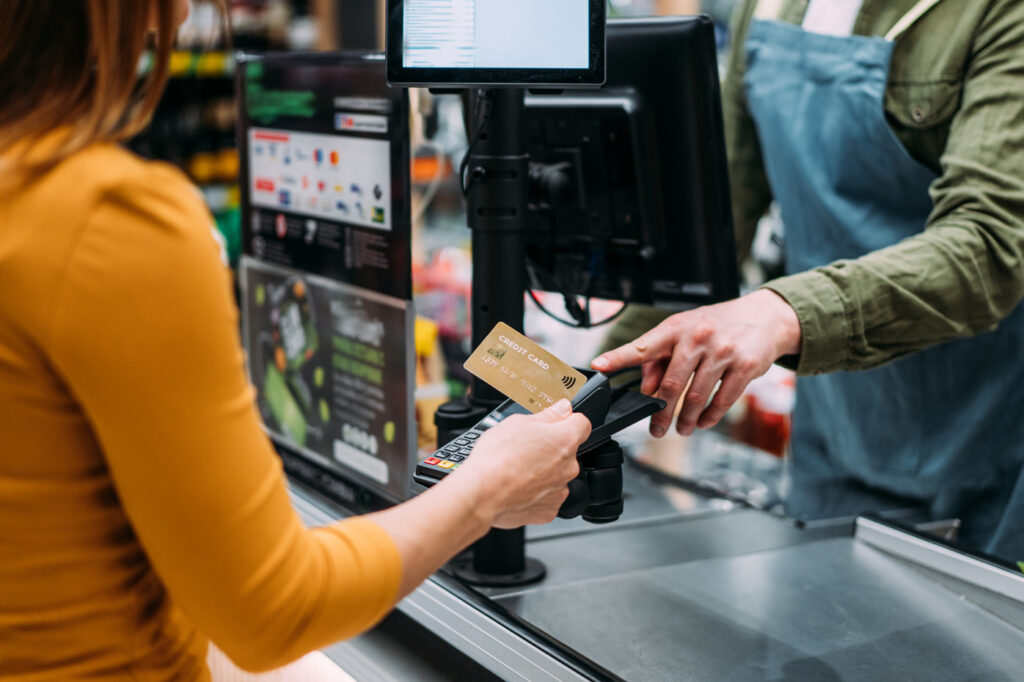
Toast supports a range of payment methods, including contactless options and digital wallets. That flexibility allows customers to pay how they prefer without slowing down checkout. Reducing friction at the register is especially important in grocery stores, where small delays can quickly turn into longer lines.
Toast can also support stores that offer prepared foods or in-store dining. Because it integrates food service into the same system, you can add food service without needing separate terminals or disconnected reporting. That makes it easier to manage both retail and prepared food sales in one place.
Better visibility into inventory and sales
From an operations standpoint, Toast includes basic inventory tracking and reporting tools that help store owners understand what is selling.
You can monitor product movement, identify low-stock items, and spot trends over time. While it is not a full grocery inventory system, Toast provides enough visibility for many smaller stores to manage stock more proactively.
Easy training and consistent staff performance
Another key benefit is ease of use. The interface is straightforward, which makes it easier to train staff and maintain consistency at the register. In a fast-paced environment, that simplicity helps reduce errors and keeps transactions moving, even during busy shifts.
Remote access to business performance
Because Toast is cloud-based, you can access sales data and reports from anywhere. That visibility allows you to check performance, review trends, and make decisions without needing to be physically in the store, which is especially useful for owners managing day-to-day operations.
How to set up Toast POS
Setting up Toast POS is designed to be a structured, guided process that helps you get your system up and running.
In general, setup can include adding your product catalog, configuring your sales tax rates, setting up payment processing, and installing your hardware. Toast’s onboarding process walks you through key steps like hardware installation and system setup, so everything is configured correctly from the start.
Because every grocery store operates a little differently, the exact setup can vary depending on your needs. If you want a closer look at the full process, you can review Toast’s self-service onboarding guide.
Why is sales tax more complicated for grocery stores?
Sales tax in grocery stores is often more complicated than it seems, because not all items are treated the same.
Some grocery items may be exempt from sales tax, while prepared foods or certain products are taxable. These rules vary depending on the sales tax by state, which adds another layer of complexity. On top of that, store owners are responsible for tracking what they collect, setting those funds aside, filing returns, and making payments on time.
Even with a strong POS system in place, this process can become an ongoing task that takes time and attention away from running the business.
How Toast POS works with DAVO to handle sales tax
Toast records your sales and the tax collected at checkout. DAVO by Avalara uses that existing data to handle the sales tax process in the background. Because DAVO integrates with Toast, it can pull your sales and tax data directly from your POS system without adding extra steps to your workflow.
After a simple one-time setup, DAVO automatically sets aside the exact sales tax you collect each day and files and pays it to the appropriate state agency on time, every time, guaranteed. Instead of tracking deadlines or moving money manually, the process runs as part of your normal operations.
The main advantage is reducing the amount of manual work required to run your store. Toast helps you manage transactions and keep checkout running efficiently, while DAVO handles the ongoing responsibility of sales tax using that same transaction data. Together, they simplify two of the most time-consuming parts of running a grocery store.If you want to spend less time managing sales tax and more time running your business, learn more about DAVO and how it works with Toast and other POS systems.